
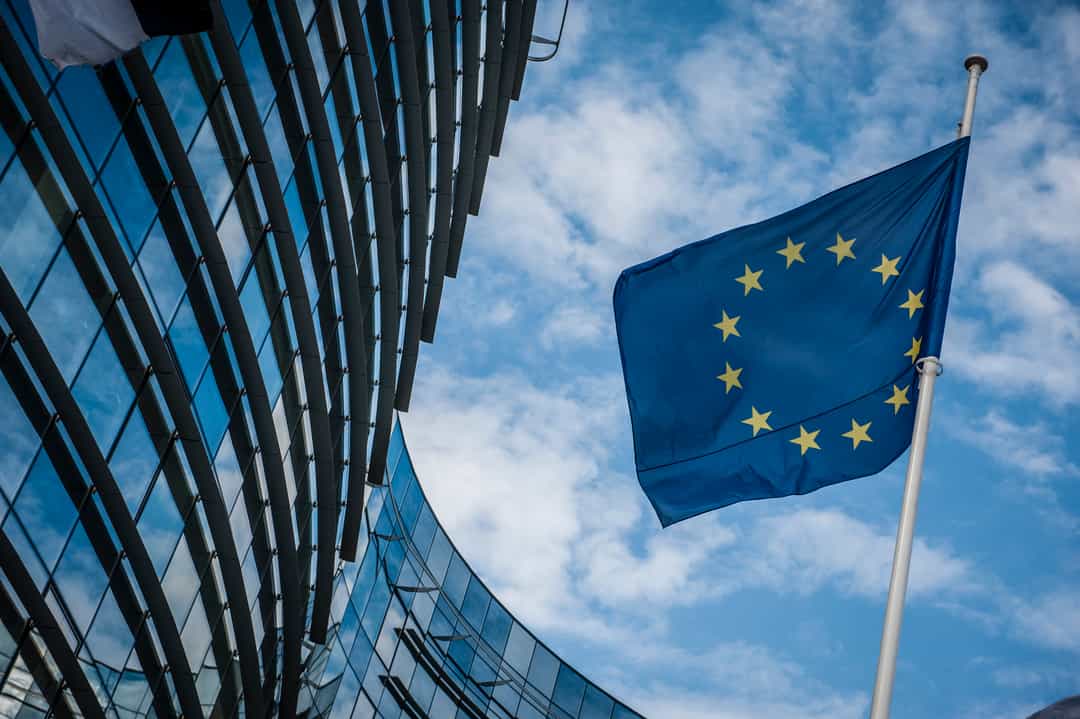
Expanding into Europe is a classic milestone for international founders: the EU offers 740 million consumers, deep talent pools, strong digital infrastructure, and a relatively unified single market once the right legal and operational structures are in place. Yet for many U.S., Asian, or Latin‑American startups, the jump into Europe feels like stepping into a regulatory and cultural maze—from visas and company‑registration quirks to tax rules, data‑protection, employment law, and sector‑specific regulations.
In 2026, Europe is becoming both more attractive and more regulated for foreign companies. New initiatives such as EU Inc (a proposed pan‑EU corporate regime), tightened tech and AI rules, and evolving VAT and ESG frameworks mean that international founders can no longer “wing it” with a simple “EU‑compliant” label. Instead, they must design their European entry strategy from the ground up to avoid costly missteps later.
This article outlines what international founders need to know before expanding into Europe: choosing the right entry point, structuring the entity, understanding key regulations, hiring and localization, and navigating the emerging EU‑wide corporate and compliance landscape.
1. Pick Your First Market Wisely
Europe is not a single country; it is a union of 27 different legal and cultural regimes. The first strategic question is: “Which country should I enter first?”
Common best‑practice principles in 2026:
- Low‑friction setup: Look for countries with fast, digital company registration, supportive startup visas (e.g., Estonia, Lithuania, Portugal, Spain, the Netherlands, and Ireland), and relatively simple onboarding for non‑EU founders.
- Access to regulators and talent: A friendly regulatory environment in your sector (e.g., fintech‑friendly Netherlands, AI‑and‑tech‑friendly Estonia, or deep‑talent‑pools in Germany and France) can dramatically accelerate licensing and hiring.
- Gateway to the rest of the EU: Many founders choose Ireland, the Netherlands, or Estonia as “first‑foot‑in‑Europe” bases because they offer EU‑passporting rights, English‑language infrastructure, and strong banking and VC ecosystems.
A practical rule of thumb is: do not start with the most complex, high‑cost market (e.g., Germany or France) unless you already have strong local partners, regulatory know‑how, or major clients there. Instead, pilot in a low‑friction, EU‑open hub, then scale to heavier markets once you have a working European operating model.
2. Entity Structure: EU‑Local vs. Non‑EU Parent
A second critical decision is how to structure your European presence legally. Foreign founders typically face two main paths:
- Non‑EU parent with EU branch or permanent establishment (PE):
- Your existing overseas company opens a branch or representative office in one EU country.
- The parent bears liability; profits attributable to the EU are taxed in the host country, and you must comply with local corporate‑tax, VAT, and employment rules.
- Useful if you want light, exploratory presence (e.g., market‑testing, small sales team).
- EU‑incorporated subsidiary (most common):
- You incorporate a new EU‑domiciled company (e.g., an Irish Ltd, Dutch BV, Spanish SL, or Portuguese Lda).
- The EU‑company signs local contracts, hires employees, pays VAT, and handles EU‑operational risk, while the parent stakes it as an equity‑investment.
- This is the preferred model for any substantial hiring, banking, or long‑term EU operations.
In 2026, founders are also hearing about “EU Inc”—a proposed new EU‑wide corporate regime that would let startups register once under a single EU‑level statute and then operate across the bloc with fewer national‑regime clashes. While EU Inc is still in proposal stage, its mere existence signals that Europe is moving toward less fragmented, more scalable legal structures, which may reshape entity‑choice strategies in the coming years.
For now, the safe path is: incorporate an EU‑local subsidiary in your first market, ideally one with digital‑friendly registries and investor‑friendly corporate‑law traditions (e.g., Ireland, the Netherlands, or Estonia).
3. Tax, VAT, and Permanent Establishment Risk
Tax and VAT are among the most common pitfalls for international founders entering Europe. The EU has EU‑wide rules plus national‑level quirks, and missteps can trigger double taxation, VAT penalties, or unexpected corporate‑tax bills.
Key points to grasp:
- Permanent establishment (PE): If your foreign company has a stable office, warehouse, or dependent sales agent in an EU country, it may create a PE there, forcing you to pay corporate tax on PE‑generated income in that country, even if your parent is outside the EU.
- VAT obligations: EU‑domiciled companies (and many non‑EU firms selling into the EU) must register for VAT in the relevant countries and file returns.
- The One‑Stop‑Shop (OSS) and Import‑OSS (IOSS) systems can simplify VAT reporting for cross‑border digital services and low‑value imports, but they require careful setup and ongoing monitoring.
- Double‑taxation treaties: The EU has a network of tax‑treaties with other countries (including the U.S., UK, and many Asian economies) that can mitigate or reduce double‑taxation on dividends, interest, and royalties.
International founders should consult a European‑tax advisor early, not after the first year of operations, because retroactive tax‑reattribution disputes can be extremely costly.
4. Data, Tech, and Sector‑Specific Regulations
For tech‑focused founders, Europe is now one of the most regulated digital markets in the world, with laws touching data, AI, finance, and environmental impact. Regulations to watch in 2026 include:
- GDPR (General Data Protection Regulation):
- Applies to any company processing EU residents’ personal data, regardless of where the company is headquartered.
- Requires clear consent, data‑protection impact assessments, and the ability to respond to data‑subject‑requests.
- EU AI Act:
- Forces companies to classify AI systems by risk and implement strict governance, transparency, and human‑oversight requirements for high‑risk AI (e.g., hiring, credit‑scoring, certain healthcare uses).
- Digital Services Act (DSA) and Digital Markets Act (DMA):
- Affect large platforms and digital‑service providers with significant EU user bases, imposing transparency, fairness, and interoperability obligations.
- Sector‑specific rules:
- Fintechs must comply with PSD2, AML, and MiCA (crypto‑asset) rules.
- Industrial‑tech and climate‑tech must navigate emissions standards, ESG‑reporting, and circular‑economy directives.
Best practice in 2026 is to “build compliance in, not bolt it on.” Many founders now embed GDPR‑by‑design, AI‑governance, and ESG‑reporting practices into their product and data‑architecture from day one, rather than trying to retrofit them later.
5. Hiring, Visas, and Talent Strategy
Hiring is often the biggest operational lever for European expansion, but also the most complex. EU‑level free‑movement rules help within the bloc, but non‑EU founders and employees face visa and residency hurdles.
Key levers in 2026:
- Startup‑ and digital‑nomad visas: Several countries (e.g., Portugal, Spain, Lithuania, Estonia, the Netherlands, and the Czech Republic) offer startup‑ or remote‑work‑resident visas that let non‑EU founders incorporate and live in the country while building their EU‑operations.
- Local‑hiring vs. remote‑first: Within the EU, hiring talent from other member states is relatively straightforward once you have a local payroll and social‑security setup. Many founders now base themselves in one EU country and hire pan‑EU remote teams, blending local and cross‑border labor pools.
- Employment law differences: Even within the EU, labor codes vary a lot (e.g., termination rules, working‑time directives, and collective‑bargaining norms). Founders often hire an EU‑employment‑law advisor or an EOR (employer‑of‑record) partner to avoid misclassification and compliance risks.
A smart strategy is: start with a small core team in the jurisdiction of your EU entity, then scale via cross‑border remote work once the legal and payroll infrastructure is stable.
6. Localization, Culture, and Go‑to‑Market
European markets react poorly to “copy‑paste” global positioning. Consumers and regulators increasingly expect localized pricing, language, payment methods, and customer‑support.
To succeed, founders should:
- Adapt to local expectations:
- Use local languages and local payment methods (e.g., SEPA, iDEAL, Giropay, Sofort, Bacs) instead of assuming credit‑card‑only will suffice.
- Respect privacy‑first norms and transparent data‑usage language, especially in the Nordics and Germany.
- Think “networked,” not monolithic: Europe is a collection of related but distinct markets; what works in the Netherlands may fail in Poland or Spain.
- Partner strategically:
- Work with local agencies, channel‑partners, or co‑localization partners to test demand before committing heavy CAPEX.
- Use outsourced sales agencies or channel‑sales models to validate markets without over‑building teams early.
Strong brands in Europe are credibly local but backed by a global backbone—founders who blend global‑scale tech with EU‑local trust and compliance tend to outperform pure “U.S‑style” clones.
For international founders, Europe in 2026 is more attractive but more complex than ever. The EU’s green‑transition programs, harmonization pushes such as EU Inc, and tightening digital‑regulation framework create immense opportunity—but only for companies that plan their entry carefully, choose the right first market, build compliant structures from the start, and commit to genuine localization.
Before expanding, founders should:
- Pick a low‑friction, EU‑open first market (e.g., Estonia, Ireland, the Netherlands, or Portugal).
- Incorporate an EU‑local subsidiary and secure startup or digital‑nomad‑style visas if needed.
- Engage European tax and regulatory advisors early to avoid PE, VAT, and data‑protection pitfalls.
- Build GDPR‑, AI‑, and sector‑compliant products into the core architecture, not as add‑ons.
- Adopt a hybrid hiring and localization strategy that leverages EU‑talent while maintaining global‑scale operations.
Done right, European expansion can become a competitive advantage rather than a compliance nightmare—turning Europe into the springboard for global growth instead of a regulatory obstacle.